
If you've been living with knee pain, stiffness, or difficulty walking, you've probably heard two things repeatedly — "It's arthritis," and "You may eventually need surgery." For many patients, this can be frightening.
The good news is that modern orthopedic medicine has evolved significantly. Today, several non-surgical treatment options can help manage knee arthritis, reduce pain, and improve mobility. One such treatment gaining attention worldwide is PRP Therapy, also known as Platelet-Rich Plasma Therapy.
But does it really work? Can it help avoid surgery? Who is the right candidate? This comprehensive guide answers everything you need to know.
What Is PRP Therapy?
PRP stands for Platelet-Rich Plasma. Platelets are naturally present in your blood and play an important role in healing and tissue repair. PRP therapy involves a simple process:
- Taking a small amount of your blood
- Processing it using a centrifuge
- Separating the platelet-rich portion
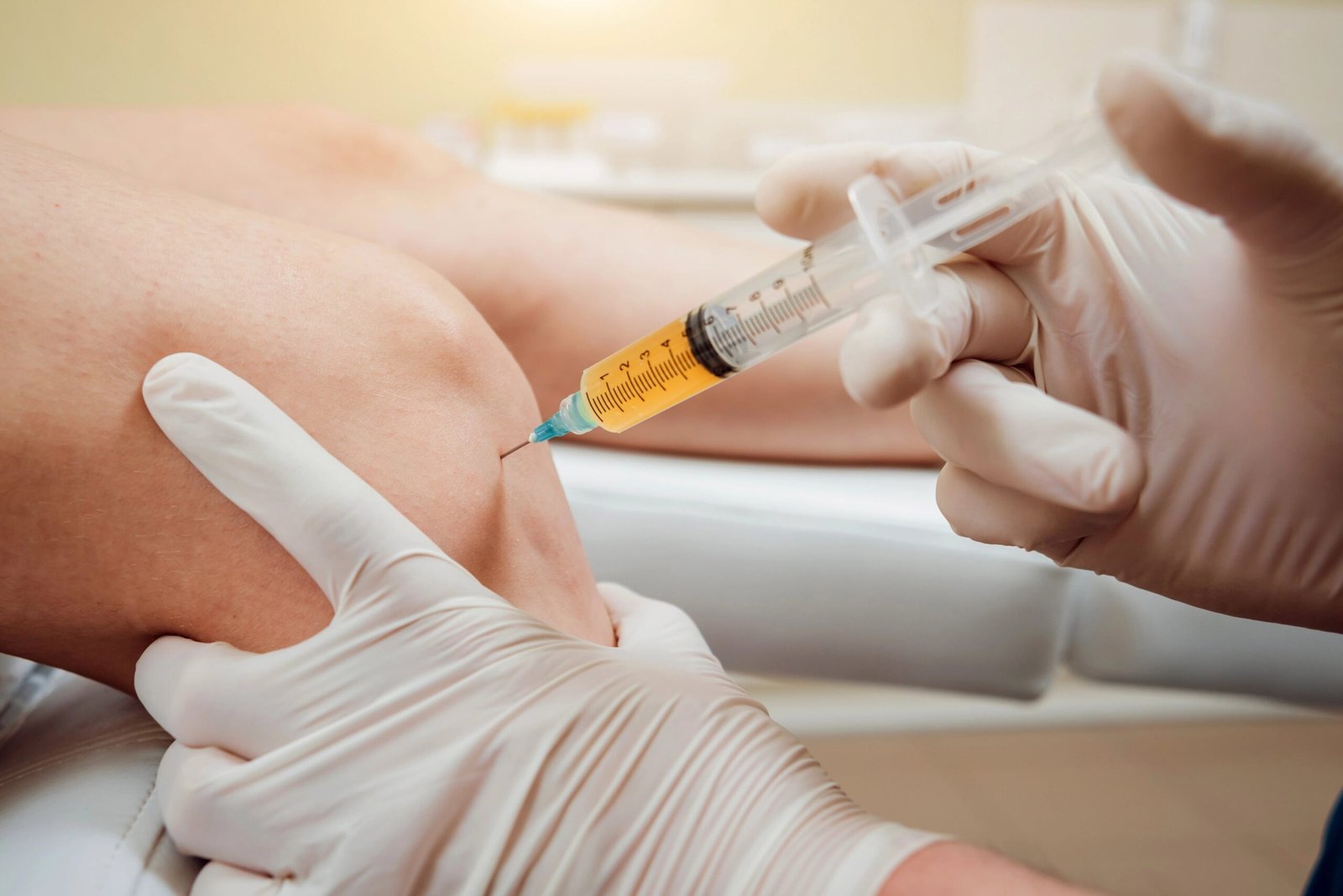
- Injecting the concentrated platelets into the affected knee joint
The goal is simple: stimulate the body's natural healing process. Unlike painkillers that temporarily reduce symptoms, PRP aims to support tissue repair and reduce inflammation.
Understanding Knee Arthritis
Before understanding PRP, it helps to understand knee arthritis. Knee osteoarthritis develops when the cartilage that cushions the joint gradually wears down. As cartilage deteriorates, bones rub against each other, inflammation increases, pain develops, and joint movement becomes restricted. Common symptoms include:
- Pain while walking
- Difficulty climbing stairs
- Morning stiffness
- Swelling
- Reduced mobility
- Clicking sounds
Why Traditional Treatments Sometimes Fall Short
Most patients begin treatment with pain medications, anti-inflammatory tablets, physiotherapy, or steroid injections. While these treatments can provide relief, they often do not address the underlying joint environment, and pain may return after weeks or months. This is where regenerative treatments such as PRP are being increasingly considered.
How Does PRP Work?
Platelets contain growth factors that help support healing. When PRP is injected into the knee joint, these growth factors may help:
- Reduce inflammation
- Improve joint environment
- Support tissue repair
- Decrease pain
- Improve mobility
The treatment uses your own blood, which minimizes the risk of allergic reactions.
Who Is an Ideal Candidate for PRP Therapy?
PRP therapy may be suitable for:
- Early osteoarthritis
- Mild to moderate arthritis
- Active adults with knee pain
- Patients wishing to delay surgery
- Patients who have not improved with medication alone
- Individuals seeking non-surgical options
PRP may be less effective in advanced bone-on-bone arthritis, severe joint deformity, or significant joint instability. A proper orthopedic evaluation is necessary to determine suitability.
Signs You May Benefit from PRP
You may be a candidate if:
- Knee pain lasts several months
- Climbing stairs causes discomfort
- Walking long distances is difficult
- Morning stiffness is becoming frequent
- Pain medication provides only temporary relief
- You wish to avoid surgery
What Happens During a PRP Procedure?
The procedure is relatively straightforward and typically involves four steps.
Step 1: Blood Collection
A small amount of blood is drawn from your arm.
Step 2: Processing
The blood is placed in a centrifuge. This separates the platelet-rich plasma from other blood components.
Step 3: Injection
The concentrated PRP is injected into the knee joint. In some cases, ultrasound guidance may be used for improved accuracy.
Step 4: Recovery
Patients usually return home shortly after the procedure. The entire visit often takes less than an hour.
Is PRP Therapy Painful?
Most patients describe the procedure as mildly uncomfortable rather than painful. You may experience mild soreness, temporary swelling, or slight stiffness. These symptoms usually settle within a few days.
How Many PRP Injections Are Needed?
The number of injections varies depending on arthritis severity, age, activity level, and treatment goals. Some patients improve after one treatment. Others may benefit from multiple sessions. Your orthopedic specialist can recommend an appropriate treatment plan.
When Will I See Results?
PRP does not provide instant relief like a painkiller. Improvement often occurs gradually.
- Week 1–2: Mild soreness may occur
- Week 3–6: Pain reduction may begin
- Week 6–12: Improved mobility and function
- Several Months: Continued improvement in many patients
Patience is important because PRP works through biological healing processes.
What Are the Benefits of PRP Therapy?
- Reduced Pain — Many patients report decreased discomfort
- Improved Mobility — Daily activities become easier
- Lower Inflammation — PRP may help reduce inflammatory processes
- Delayed Surgery — Some patients may postpone knee replacement
- Uses Your Own Blood — Reduces risk of allergic reactions
- Minimal Downtime — Most individuals resume daily activities quickly
What Does Research Say About PRP?
Several studies have shown promising results for PRP therapy in mild to moderate knee arthritis. Research suggests PRP may improve pain scores, improve knee function, and provide longer-lasting benefits compared to some injections. However, outcomes can vary depending on patient selection, arthritis severity, and treatment protocol. PRP should be considered one part of a comprehensive treatment plan.
PRP vs Steroid Injections
PRP Therapy
- Uses patient's own blood
- Supports healing
- Longer-term approach
- Minimal systemic effects
- Regenerative focus
Steroid Injection
- Medication-based
- Reduces inflammation temporarily
- Short-term relief
- Repeated use may have limitations
- Symptom control
Both treatments have roles, but they serve different purposes.
PRP vs Knee Replacement Surgery
PRP and knee replacement address different stages of disease.
PRP is generally considered when:
- Arthritis is mild or moderate
- Joint function is preserved
- Surgery is not immediately necessary
Knee replacement may be considered when:
- Pain is severe
- Cartilage loss is advanced
- Daily activities are significantly affected
Early evaluation allows more treatment options.
Are There Any Risks?
PRP is generally considered safe because it uses your own blood. Potential side effects may include temporary swelling, mild pain, and injection site soreness. Serious complications are uncommon when performed appropriately.
What Should You Avoid After PRP?
Your doctor may recommend:
- Avoiding strenuous exercise for several days
- Avoiding high-impact activities initially
- Following prescribed rehabilitation exercises
- Attending follow-up appointments
Rehabilitation is often an important part of success.
Can PRP Help Avoid Surgery?
This is one of the most common questions. For some patients, PRP may reduce pain, improve function, and delay the need for surgery. However, not every patient can avoid surgery. The effectiveness depends on the stage of arthritis, overall joint condition, lifestyle factors, and treatment response.
Why Early Treatment Matters
Many people wait until arthritis becomes severe. Unfortunately, delaying treatment may reduce available options. Early diagnosis allows better outcomes, more conservative treatments, and greater potential benefits from regenerative therapies.
Why Choose Apex Wellness for PRP Therapy?
At Apex Wellness, the focus goes beyond simply managing pain. The approach emphasizes:
- Detailed assessment
- Personalized treatment plans
- Regenerative orthopedic care
- Non-surgical treatment options
- Long-term joint health and mobility
The goal is not only reducing pain but helping patients remain active, independent, and mobile.
Key Takeaway
PRP therapy represents an exciting development in modern orthopedic care. For patients with mild to moderate knee arthritis, it may offer reduced pain, improved mobility, a non-surgical treatment option, and the possibility of delaying surgery. Every patient is different — the most important step is obtaining an accurate diagnosis and discussing your treatment options with an orthopedic specialist.
Frequently Asked Questions About PRP Therapy
Is PRP approved for knee arthritis?
PRP is widely used in orthopedic and sports medicine practices for various musculoskeletal conditions.
How long do PRP results last?
Results vary among individuals, but many patients experience improvement for several months.
Can PRP regenerate cartilage?
Research is ongoing. PRP may support the joint environment and healing processes, but outcomes vary.
Can I walk after PRP?
Most patients can walk shortly after the procedure.
Is PRP covered by insurance?
Coverage varies depending on the insurer and treatment policies.
Ready to Take Action?
If knee pain is affecting your daily life, early evaluation can help you understand whether PRP therapy may be appropriate for your condition.
Book Consultation →