
Is Knee Replacement the Only Option for Arthritis?
One of the biggest fears patients have after being diagnosed with knee arthritis is hearing: "You may eventually need a knee replacement." For many people, this immediately raises several questions — Is surgery my only option? Can I delay knee replacement? Are there non-surgical treatments available? How do I know if my arthritis is severe enough for surgery?
The good news is: not every patient with arthritis needs knee replacement surgery. Today, several treatment options can help manage arthritis, improve mobility, and reduce pain — especially when the condition is diagnosed early.
Understanding your options can help you make informed decisions about your joint health.
Understanding Knee Arthritis
Knee arthritis, particularly osteoarthritis, occurs when the protective cartilage inside the joint gradually wears away. As the cartilage becomes thinner, bones rub against each other, inflammation develops, joint movement becomes painful, and mobility decreases.
Symptoms often include:
- Knee pain
- Morning stiffness
- Swelling
- Difficulty climbing stairs
- Reduced flexibility
- Pain during walking
The severity of arthritis can vary significantly from person to person.
Does Arthritis Always Lead to Knee Replacement?
The simple answer is no. Many people live with arthritis for years without needing surgery. Whether knee replacement becomes necessary depends on:
- Severity of cartilage damage
- Pain levels
- Functional limitations
- Age and activity level
- Response to treatment
Early intervention often provides more treatment options.
When Is Knee Replacement Usually Recommended?
Knee replacement is generally considered when:
- Stage 4 osteoarthritis with multiple cartilage damage
- Severe pain affects daily activities
- Walking becomes difficult
- Sleep is disturbed due to pain
- Conservative treatments no longer help
- Significant cartilage loss is present
- Joint deformity develops
However, surgery is often considered only after other treatments have been explored.
Understanding the Stages of Arthritis
Orthopedic specialists commonly assess the severity of knee osteoarthritis using the Kellgren–Lawrence (KL) Grading System. This internationally recognized classification uses X-ray findings to determine the extent of joint degeneration and helps guide treatment decisions. Understanding the stage of arthritis is important because treatment recommendations vary depending on the amount of cartilage loss, joint space narrowing, and the impact on your daily life.
Grade 1 – Doubtful / Very Early Osteoarthritis
At this stage, there are only very subtle changes in the knee joint. Most people experience little or no limitation in daily activities, and X-rays may show minimal changes.
Common Symptoms- Mild or occasional knee discomfort
- Slight stiffness after prolonged sitting
- Pain only after strenuous activity
- Little or no swelling
- Normal walking ability
- Possible tiny bone spurs (osteophytes)
- No significant joint space narrowing
- Minimal structural changes
At this stage, the primary goal is preventing progression. Treatment may include:
- Weight management
- Regular low-impact exercise
- Physiotherapy
- Muscle strengthening
- Activity modification
- Joint protection strategies
- Lifestyle changes
Early intervention at this stage often provides the best opportunity to preserve long-term joint health.
Grade 2 – Mild Osteoarthritis
Mild arthritis indicates early cartilage wear and more noticeable structural changes. Patients may begin experiencing recurring pain during everyday activities.
Common Symptoms- Frequent knee pain
- Morning stiffness lasting a few minutes
- Mild swelling after activity
- Pain while climbing stairs
- Discomfort after long walks
- Occasional clicking sensations
- Small bone spurs
- Mild narrowing of joint space
- Early cartilage degeneration
Many patients respond well to conservative treatment. Treatment options may include:
- Structured physiotherapy
- Weight reduction where appropriate
- Anti-inflammatory medications
- Activity modification
- Knee braces (selected patients)
- Hyaluronic acid injections
- PRP therapy
- Early regenerative medicine where clinically appropriate
At this stage, surgery is rarely the first recommendation.
Grade 3 – Moderate Osteoarthritis
Grade 3 arthritis represents significant cartilage loss with more persistent symptoms. Daily activities often become increasingly difficult, and patients may notice a reduction in mobility and confidence while walking.
Common Symptoms- Persistent knee pain
- Significant morning stiffness
- Pain during walking
- Difficulty climbing stairs
- Swelling after activity
- Reduced walking distance
- Loss of flexibility
- Difficulty squatting or kneeling
- Moderate joint space narrowing
- Multiple bone spurs
- Noticeable cartilage loss
- Early deformity in some patients
Treatment is individualized based on symptoms and lifestyle goals. Options may include:
- Advanced physiotherapy
- Pain management strategies
- PRP therapy
- Hyaluronic acid injections
- Regenerative medicine
- Bone Marrow Aspirate Concentrate (BMAC) in selected patients
- Stromal Vascular Fraction (SVF) therapy in selected cases
- Surgical consultation when appropriate
Many patients at this stage can still benefit from non-surgical treatment before considering joint replacement.
Grade 4 – Severe Osteoarthritis
Grade 4 represents advanced osteoarthritis with extensive cartilage loss and significant joint degeneration. The protective cartilage has worn away considerably, allowing bones to come into direct contact.
Common Symptoms- Severe knee pain
- Pain even while resting
- Night pain affecting sleep
- Difficulty walking even short distances
- Significant stiffness
- Joint instability
- Visible deformity
- Major reduction in quality of life
- Severe joint space narrowing or complete loss
- Extensive cartilage damage
- Large bone spurs
- Bone-on-bone contact
- Joint deformity
Treatment depends on the patient's symptoms, goals, overall health, and lifestyle. Options may include:
- Advanced pain management
- Regenerative therapies in carefully selected patients
- Mobility support
- Surgical evaluation
- Knee replacement surgery when clinically indicated
Although knee replacement is often considered at this stage, treatment decisions are always personalized after a comprehensive orthopedic evaluation.
Non-Surgical Options Before Knee Replacement
Many patients can benefit from conservative treatments.
1. Lifestyle Changes
Small changes can make a significant difference. Recommendations include weight management, regular exercise, activity modification, and low-impact activities. Even modest weight loss can reduce stress on the knee joint.
2. Physiotherapy
Strengthening muscles around the knee helps improve stability, reduce pain, improve movement, and increase confidence during activity. Physical therapy is often one of the most important treatments. Explore Physiotherapy & Rehabilitation Chennai.
3. Medications
Doctors may recommend pain relievers and anti-inflammatory medications. These help manage symptoms but generally do not address the underlying degeneration.
4. Knee Bracing
Certain braces may improve stability, reduce discomfort, and improve walking ability. Bracing may be appropriate for selected patients.
Injection Treatments for Arthritis
Several injection options are available.
Corticosteroid Injections
Benefits- Rapid pain relief
- Reduced inflammation
- Temporary results
- Benefits may decrease over time
Hyaluronic Acid Injections
These injections attempt to improve lubrication inside the joint. Some patients experience symptom improvement.
Regenerative Medicine: A Modern Alternative
Over the past decade, regenerative medicine has transformed the way orthopedic specialists approach joint preservation. Rather than focusing solely on symptom relief, regenerative therapies aim to support the body's natural healing environment and improve joint function in carefully selected patients.
At Apex Wellness Co, regenerative medicine is considered as part of a personalized treatment strategy after a comprehensive orthopedic assessment. Explore Regenerative Orthopedic Care Chennai.
Platelet-Rich Plasma (PRP) Therapy
Platelet-Rich Plasma (PRP) therapy uses concentrated platelets obtained from your own blood. These platelets contain growth factors that play an important role in the body's natural healing response.
For selected patients with mild to moderate knee arthritis, PRP therapy may help:
- Reduce inflammation
- Improve joint function
- Support tissue healing
- Reduce pain
- Improve mobility
PRP therapy is commonly considered for patients who wish to explore non-surgical treatment options before considering surgery.
Bone Marrow Aspirate Concentrate (BMAC)
Bone Marrow Aspirate Concentrate (BMAC) is an advanced regenerative treatment that utilizes stem cells and growth factors obtained from the patient's own bone marrow. Bone marrow contains mesenchymal stem cells, progenitor cells, growth factors, and other biologically active components that may contribute to tissue repair and healing.
Following careful processing, these regenerative components are concentrated and used as part of a personalized orthopedic treatment plan in appropriately selected patients.
Potential Benefits of BMACDepending on individual suitability, BMAC may help:
- Support cartilage health
- Reduce inflammation
- Improve joint function
- Promote tissue repair
- Delay disease progression in selected cases
BMAC is generally considered for patients with specific orthopedic conditions after detailed clinical evaluation.
Stromal Vascular Fraction (SVF) / Fat-Derived Stem Cells
Adipose tissue (body fat) contains a rich source of regenerative cells, including mesenchymal stem cells and other supportive healing cells. Through specialized processing, Stromal Vascular Fraction (SVF) can be isolated from a patient's own fat tissue. SVF contains:
- Mesenchymal stem cells
- Growth factors
- Endothelial cells
- Pericytes
- Immune-modulating cells
These regenerative components may help create a healthier biological environment within the joint.
Potential Benefits of SVF TherapyIn carefully selected patients, SVF therapy may help:
- Support joint health
- Promote tissue repair
- Reduce inflammation
- Improve mobility
- Improve quality of life
- Stage of arthritis
- Overall joint condition
- Medical history
- Lifestyle
- Treatment goals
Which Regenerative Treatment Is Right For You?
Every patient is different. The choice between PRP, BMAC, SVF, or other treatment options depends on several important factors, including:
- The stage of arthritis
- Cartilage condition
- Severity of symptoms
- X-ray and MRI findings
- Activity level
- Age
- Overall health
- Previous treatments
- Personal goals
There is no single treatment that is appropriate for everyone. A personalized orthopedic evaluation helps determine the most suitable treatment strategy for your individual condition.
Who May Benefit from Non-Surgical Treatments?
You may be a good candidate if:
- Arthritis is mild to moderate
- You remain physically active
- Pain occurs only during certain activities
- Cartilage loss is not advanced
- You wish to delay surgery
A detailed evaluation is necessary to determine suitability.
Signs You May Need a Surgical Consultation
Certain symptoms suggest advanced arthritis:
- Severe pain at rest
- Constant pain
- Difficulty walking short distances
- Major loss of mobility
- Significant deformity
- Poor response to treatments
In these situations, knee replacement may become an appropriate option.
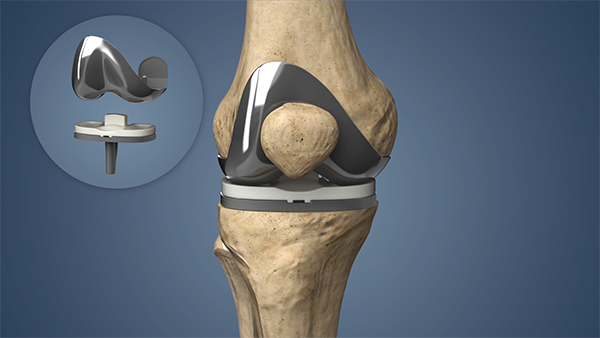
What Is Knee Replacement Surgery?
Knee replacement involves removing damaged joint surfaces and replacing them with artificial components. The procedure aims to reduce pain, restore mobility, and improve quality of life. Modern techniques have improved outcomes significantly.
Benefits of Knee Replacement
Potential benefits include:
- Reduced pain
- Better mobility
- Improved function
- Enhanced quality of life
Many patients experience substantial improvement after recovery.
Limitations of Knee Replacement
Although highly successful, surgery is still a major procedure. Considerations include:
- Recovery period
- Rehabilitation requirements
- Surgical risks
- Implant lifespan
- Activity limitations in some patients
This is why exploring appropriate non-surgical options first is often important.
Can You Delay Knee Replacement?
For many patients, the answer is yes. Depending on the condition of the joint, treatments such as exercise, physiotherapy, weight management, PRP therapy, lifestyle changes, and stem cell therapy may help reduce symptoms and maintain function. The earlier these interventions begin, the greater the potential benefit.
The Importance of Early Diagnosis
Many people wait years before seeking help. Unfortunately, delayed treatment can allow arthritis to progress, reduce treatment options, and increase pain and disability. Early evaluation allows a broader range of treatment choices.
How Doctors Decide the Right Treatment
Treatment decisions are based on symptoms, physical examination, X-rays, MRI findings, lifestyle goals, and activity level. The best treatment is highly individualized.
Why Personalized Care Matters
No two patients have identical arthritis. Factors that influence treatment include age, weight, occupation, activity level, severity of arthritis, and overall health. A personalized treatment plan often provides the best results.
Why Choose Apex Wellness for Arthritis Care?
At Apex Wellness, the goal is not simply treating knee pain. The focus includes:
- Early diagnosis
- Non-surgical treatment options
- Regenerative medicine expertise
- Personalized treatment plans
- Long-term mobility and joint health
The aim is to help patients remain active, independent, and pain-free whenever possible. Explore Arthritis Treatment Chennai.
Key Takeaway
Knee replacement is an excellent option for certain patients with advanced arthritis, but it is not the only option. Many individuals can successfully manage arthritis through lifestyle changes, physiotherapy, regenerative medicine, and early intervention. The most important step is understanding your condition early and exploring all available options before making treatment decisions.
Frequently Asked Questions
Is knee replacement the only treatment for arthritis?
No. Many patients with mild to moderate arthritis respond well to non-surgical treatments before surgery is ever considered.
Can knee arthritis be treated without surgery?
Yes. Many patients with mild to moderate arthritis respond well to non-surgical treatments.
What are alternatives to knee replacement?
Treatment depends on the severity of arthritis. Options may include physiotherapy, weight management, injections, and regenerative treatments.
Can PRP delay knee replacement?
In selected patients, PRP may help improve symptoms and potentially delay surgery.
When is knee replacement necessary?
Surgery is generally considered when symptoms become severe and conservative treatments no longer help.
How do I know if I need knee surgery?
There is no specific age or fixed rule — the decision depends on symptoms, function, joint damage, and how well you're responding to conservative treatment.
Expert Perspective: At Apex Wellness Co, the goal is not simply performing surgery — it's helping patients understand every option available before making that decision. The earlier arthritis is diagnosed, the wider the range of treatments that may be available.
Not Sure If You Need Knee Replacement?
A personalized orthopedic evaluation may help you understand the stage of your arthritis, whether non-surgical options may help, and what treatment path best fits your goals.
Book Consultation →