
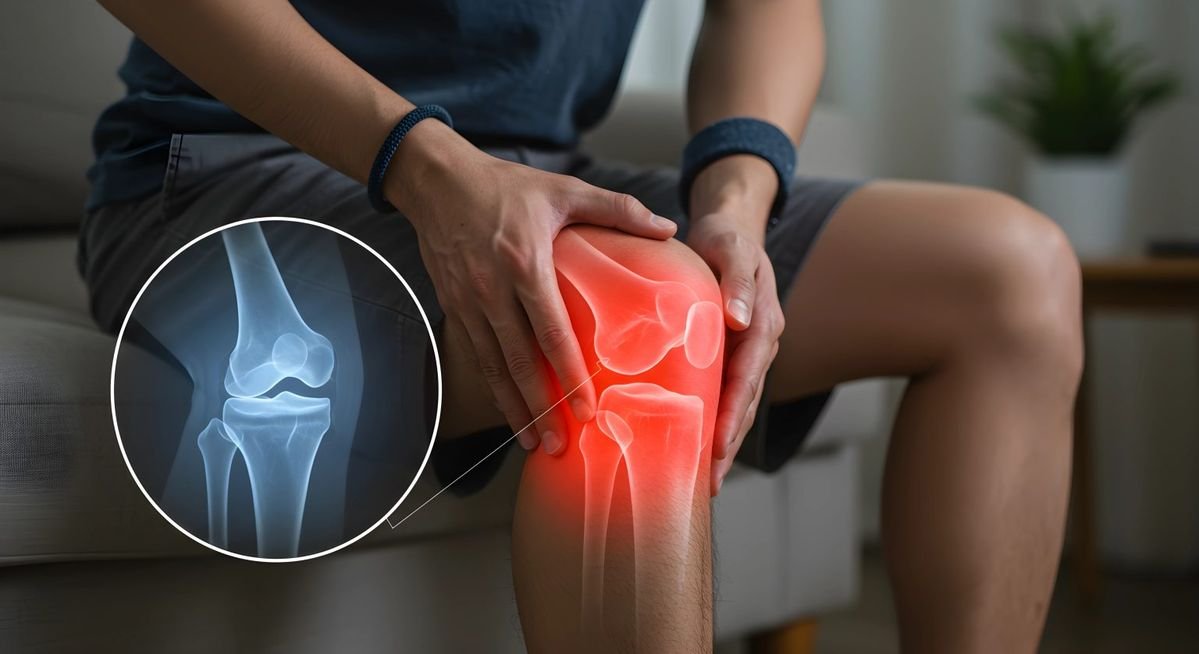
If you are experiencing knee pain, one of the first questions that may come to mind is: "Will I need surgery?" For many people, the idea of knee surgery feels overwhelming — long recovery times, cost, mobility limitations, pain after surgery, and uncertainty about whether surgery is even necessary.
The good news is that not all knee pain automatically requires surgery. In many cases, knee pain may improve through non-surgical treatment approaches, depending on the cause, severity, joint condition, lifestyle factors, movement patterns, and how early treatment begins. However, the answer isn't always simple — some knee problems may heal without surgery, while others may still require medical intervention. The key is understanding what is actually causing your knee pain.
At Apex Wellness Co, we often meet people who delayed treatment because they assumed "it will go away," or people who became worried after hearing "you may need surgery." But often, there are multiple treatment pathways worth understanding before jumping to conclusions. In this guide, we'll explore when knee pain may heal without surgery, non-surgical treatment options, when surgery might still be necessary, how regenerative treatments like PRP may fit in, and how to improve long-term knee health.
Can Knee Pain Heal Without Surgery?
Yes, some knee pain conditions may improve without surgery depending on the cause, severity, and treatment approach. Mild arthritis, tendon irritation, inflammation, muscle weakness, posture-related stress, and some injuries may respond to non-surgical treatment options such as physiotherapy, strengthening, movement correction, lifestyle support, and regenerative approaches like PRP therapy. However, severe structural damage may still require surgical evaluation.
Knee pain is not one single condition — different causes require different solutions. A mild tendon issue is very different from advanced cartilage damage or severe instability. That's why proper orthopedic evaluation matters.
Why Does Knee Pain Happen?
Before asking "can this heal without surgery?" we first need to understand why your knee hurts in the first place. Knee pain can happen for many reasons — some are temporary, some become chronic over time, and some worsen if ignored.
1. Osteoarthritis (Very Common After 40)
One of the most common reasons for knee pain, especially among adults over 40. Arthritis happens when the cushioning inside the knee joint gradually changes over time.
- Stiffness in the morning
- Pain while walking
- Discomfort climbing stairs
- Swelling and cracking sounds
- Reduced movement
Many people ask "does arthritis automatically mean surgery?" Not always — in selected cases, conservative approaches may help support movement and pain management. See our guide on Knee Pain Treatment Chennai.
2. Muscle Weakness & Poor Movement Patterns
Sometimes the problem is not the knee itself. Weak muscles around the hips, thighs, glutes, and calves may increase pressure on the knee joint — especially common among working professionals, sedentary adults, and adults over 40. Long sitting hours can contribute to stiffness, poor mobility, weakness, and movement imbalance — one reason many people experience knee pain while climbing stairs or after sitting too long.
3. Tendon Irritation Or Overuse Injuries
Sometimes repeated strain affects soft tissues around the knee due to running, gym training, sports activity, or repetitive movement. Pain may feel sharp, localized, and activity-related. In some situations, conservative treatment may help.
4. Sports Injuries
Athletes and active adults may experience ligament strain, tendon injuries, cartilage stress, or overuse pain. Severity matters — some injuries recover conservatively, others require more advanced treatment. Explore Sports Injury Treatment Chennai.
5. Weight & Joint Stress
The knee absorbs significant body weight every day. Increased pressure may contribute to inflammation, strain, and worsening discomfort. Small lifestyle changes may sometimes improve long-term outcomes.
6. Inflammation
Inflammation may sometimes contribute to swelling, stiffness, and pain during movement. Understanding what is driving inflammation matters for long-term care.
When Knee Pain May Heal Without Surgery
Now to the most important question — when can knee pain improve without surgery? In some cases, knee pain may respond to conservative care, rehabilitation, strengthening, movement correction, and regenerative approaches depending on diagnosis. Here are situations where non-surgical treatment may sometimes help.
1. Mild To Moderate Arthritis
Early-stage arthritis may sometimes be managed conservatively. Goals often include reducing discomfort, improving movement, maintaining mobility, and delaying progression. Treatment may include strengthening, movement guidance, physiotherapy, orthopedic care, and regenerative options in selected cases. Many patients ask "can arthritis improve without surgery?" — in selected situations, yes, depending on severity.
2. Knee Pain Caused By Weakness Or Imbalance
If weak muscles are contributing to knee stress, movement correction and strengthening may help significantly — especially for office workers, professionals sitting long hours, and adults over 40.
3. Tendon-Related Pain
Some tendon issues may improve with rehabilitation, guided movement, and recovery-focused care.
4. Mild Sports Injuries
Not every sports injury requires surgery. In some situations, recovery-focused orthopedic care may help support healing.
5. Inflammation-Driven Knee Pain
Reducing joint stress and improving movement patterns may help certain patients.
When Surgery May Still Be Needed
Good healthcare information is never about "avoid surgery at any cost." Sometimes surgery may still be the right option.
- Severe structural damage or major ligament tears
- Severe instability or fractures
- Advanced joint degeneration or severe cartilage loss
- Long-term failed conservative care
- Severe pain affecting daily life or instability while walking
- Locking of the knee or major movement restriction
- Worsening function despite treatment
Surgery is not automatically bad — the real question is "is surgery necessary for your specific condition?" For some people, conservative care works well. For others, surgical evaluation becomes appropriate. This is why proper diagnosis matters.
What Non-Surgical Treatment Options Exist For Knee Pain?
If surgery is not immediately necessary, what options exist? The answer depends on cause, severity, mobility goals, and activity level. At Apex Wellness Co, treatment is personalized.
1. Orthopedic Evaluation
Everything starts with understanding the root cause, because treating symptoms alone often leads to temporary relief. A proper evaluation helps understand movement patterns, pain triggers, severity, joint function, and lifestyle factors.
2. Physiotherapy & Rehabilitation
For many patients, movement matters. Structured rehabilitation may help improve flexibility, strength, stability, confidence in movement, and mobility — especially useful for working professionals, posture-related issues, muscle weakness, and recovery after injury. Explore Physiotherapy & Rehabilitation Chennai.
3. Strengthening & Movement Correction
Weak supporting muscles sometimes increase stress on knees. A guided movement strategy may help improve muscle balance, joint support, and mobility — especially for adults over 40, sedentary lifestyles, and recurring pain.
4. Lifestyle & Weight Management
Even small changes in movement and lifestyle may sometimes improve long-term knee comfort. The goal is to reduce unnecessary joint stress.
5. Regenerative Medicine Approaches: Can PRP Help Knee Pain?
One question we hear frequently is "can PRP help knee pain?" In selected orthopedic cases, PRP therapy may sometimes be considered as part of a non-surgical treatment plan for knee pain, depending on diagnosis, condition severity, and medical suitability. PRP stands for Platelet-Rich Plasma Therapy — it uses platelets derived from your own blood and is explored in selected cases involving knee discomfort, arthritis-related concerns, tendon issues, and sports recovery.
However, PRP is not for everyone, and it is not intended to replace surgery in every case. Medical evaluation matters. Learn more about PRP Therapy Chennai.
How To Avoid Knee Surgery (When Appropriate)
Many people ask "how do I avoid knee surgery?" The answer depends on timing, diagnosis, consistency, and treatment suitability.
- Don't ignore early symptoms — many people wait too long, and early stiffness or pain matters
- Improve strength & movement — weak muscles may increase stress on joints
- Stay active safely — movement matters, but correct movement matters more
- Seek early evaluation — understanding the root cause early may create more treatment options
- Explore conservative care — depending on suitability, some patients may benefit from rehabilitation, strengthening, orthopedic care, and regenerative approaches
Common Signs You Should See A Knee Specialist
Sometimes people wait too long. You should consider evaluation if:
- Pain lasts more than a few weeks
- Stairs become painful or walking becomes difficult
- Stiffness increases or swelling persists
- Knee feels unstable
- Exercise becomes difficult
- Pain affects sleep
The earlier the assessment, the more treatment options may exist.
Key Takeaway
Knee pain doesn't always mean surgery. Many cases may respond to physiotherapy, strengthening, movement correction, lifestyle changes, and regenerative approaches like PRP — depending on diagnosis and severity. Surgery remains an option for advanced or severe cases. The earlier you understand the root cause, the more treatment pathways may be available to you.
Frequently Asked Questions About Knee Pain Without Surgery
Can knee pain heal naturally?
Some forms of knee pain may improve naturally depending on the cause and severity.
Does knee pain always require surgery?
No. Some conditions may respond to conservative treatment.
Can arthritis improve without surgery?
Some people with mild to moderate arthritis may benefit from non-surgical care depending on suitability.
Why do my knees hurt while climbing stairs?
This may happen due to arthritis, weakness, joint stress, or movement imbalance.
Why does knee pain happen after sitting too long?
Stiffness and reduced movement may contribute.
Is walking good for knee pain?
In some situations, appropriate movement may help, but this depends on diagnosis.
Can PRP therapy help arthritis?
Selected patients may sometimes be evaluated for regenerative treatment.
Is PRP painful?
Some mild temporary soreness may happen.
How long does knee pain recovery take?
Recovery varies depending on diagnosis and severity.
What exercises help knee pain?
Exercises depend on the condition and should ideally be guided.
Can knee pain happen after age 40?
Yes. Joint wear and reduced mobility may contribute.
Can sports injuries heal without surgery?
Some mild injuries may improve conservatively.
When should I worry about knee pain?
Persistent pain, swelling, or movement limitation should be evaluated.
Can sitting too much cause knee pain?
Long sitting may sometimes contribute to stiffness.
What if knee pain keeps coming back?
Recurring pain deserves evaluation.
Can weight affect knee pain?
Yes. Joint stress may increase.
Does arthritis always worsen?
Not always. Progression varies.
What is the best non-surgical knee treatment?
Treatment depends on the cause.
Can I avoid knee replacement?
Some patients may explore alternatives depending on suitability.
Is surgery always the last option?
Not necessarily. It depends on diagnosis.
Expert Perspective: At Apex Wellness Co, one of the biggest misconceptions we hear is "knee pain automatically means surgery." In reality, many patients benefit from understanding all treatment options first. The goal is not to avoid surgery at all costs — the goal is to make the right treatment decision.
Unsure Whether Your Knee Pain Needs Surgery?
A personalized orthopedic evaluation can help you understand what may be causing your pain, whether non-surgical options may help, and when specialist treatment may make sense.
Book Consultation →