
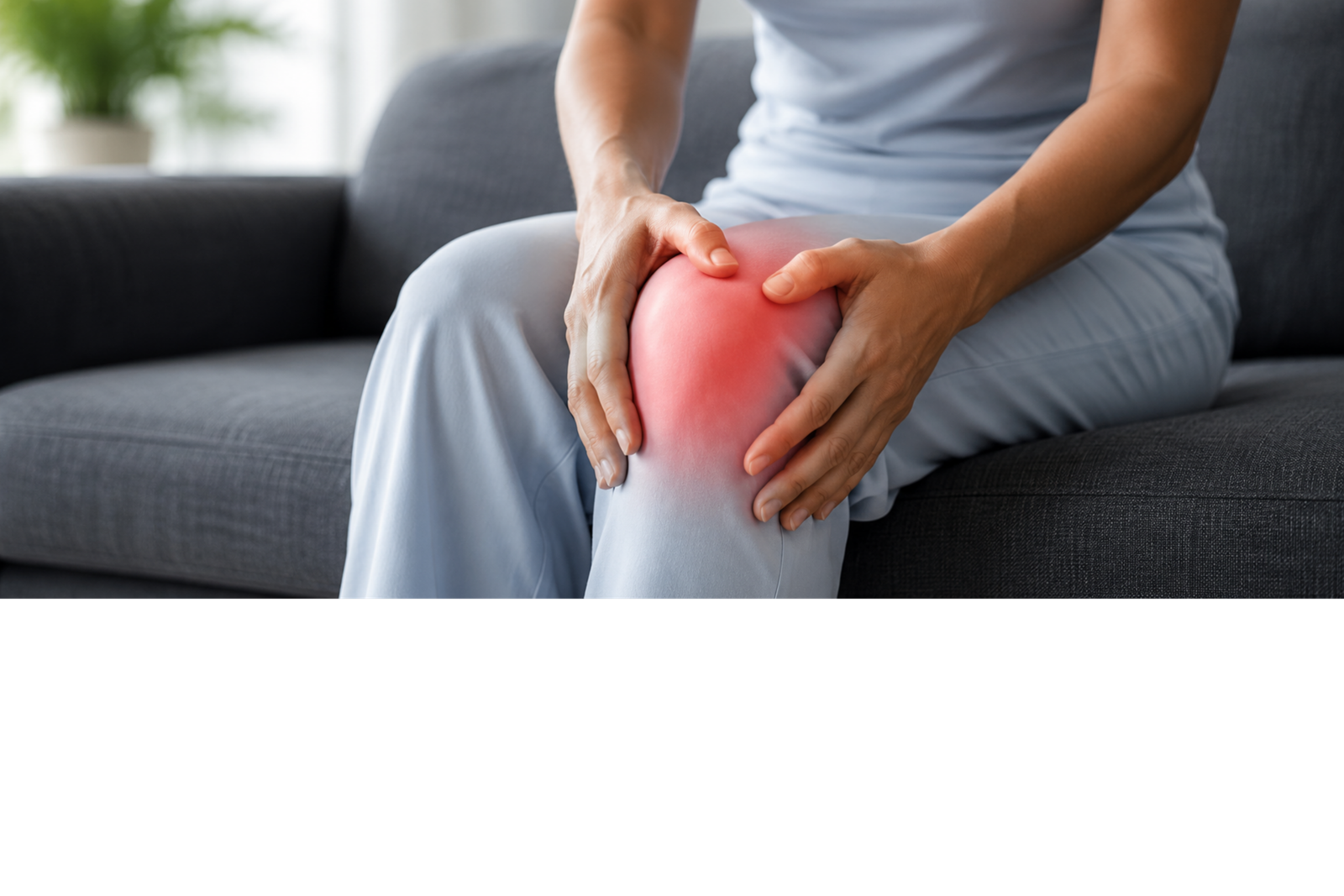
The Complete Guide to Knee Pain
Causes, Treatments & How to Avoid Surgery.
Dr. Thineshchandar
Medical Content Team
Knee pain rarely starts as a major problem. It begins subtly — a slight discomfort while climbing stairs, a stiffness when you wake up, a clicking sound you choose to ignore. And over time, it grows. Until one day, something as simple as walking, sitting, or standing becomes painful. If you're experiencing this, you're not alone. Knee pain is one of the most common musculoskeletal problems affecting adults, especially after the age of 40.
But here's the good news: not all knee pain leads to surgery. And with early intervention, most cases can be managed or even reversed.
What Exactly Is Knee Pain?
Your knee is one of the largest and most complex joints in your body. It works like a hinge, supported by cartilage (shock absorber), ligaments (stability), muscles (movement), and synovial fluid (lubrication). When any of these components are affected, you start experiencing pain. Think of it like a machine — if one part wears out or gets damaged, the entire system starts to struggle.
Common Causes of Knee Pain
Knee pain doesn't have a single cause. It usually develops due to a combination of factors.
1. Age-Related Wear and Tear (Osteoarthritis)
- Most common cause after 40
- Cartilage gradually wears down, leading to bone-on-bone friction
- Symptoms include pain during movement, stiffness after rest, and reduced mobility
2. Injuries
- Ligament tears (ACL, PCL) and meniscus tears
- Sports injuries common in active adults, gym-goers, and athletes
3. Lifestyle Factors
- Sitting for long hours and lack of exercise
- Excess weight and poor posture
- Many patients don't have a major injury — just years of silent damage
Early Warning Signs You Shouldn't Ignore
Your body gives signals long before things get serious. Watch out for:
- Pain while climbing stairs
- Stiffness in the morning
- Swelling around the knee
- Clicking or popping sounds
- Difficulty bending or straightening your leg
If you're experiencing 2 or more of these symptoms consistently, it's time to get evaluated.
How Knee Pain Is Diagnosed
A proper diagnosis goes beyond just where it hurts. A thorough assessment includes a clinical examination (range of motion, pain points, stability testing), imaging such as X-rays for bone structure and MRI for soft tissue and cartilage, and advanced assessment including biomarkers for inflammation and early degeneration detection. Modern clinics focus on identifying the root cause early — not just treating symptoms.
Treatment Options (From Basic to Advanced)
Level 1: Lifestyle Changes & Physiotherapy
- Strengthening exercises and mobility training
- Weight management and activity correction
- Goal: Reduce stress on the knee and improve function
Level 2: Medications & Injections
- Painkillers for short-term relief
- Anti-inflammatory drugs and steroid injections
- Note: These manage symptoms but don't fix the root cause
Level 3: Regenerative Medicine (Non-Surgical)
- PRP Therapy — Uses your own blood to promote healing, reduce inflammation, and support tissue repair
- Stem Cell Therapy — Focuses on regenerating cartilage and targets the root cause of degeneration
- Ideal for patients who want to avoid surgery and recover faster
Level 4: Surgery (Last Resort)
- Arthroscopy or partial/total knee replacement
- Required only in advanced cases with severe damage
Can You Avoid Knee Surgery?
You can often avoid surgery if the condition is in early or moderate stages, pain is manageable, and damage is not severe. Surgery may be required if pain is constant and severe, mobility is significantly affected, or joint damage is advanced. Timing plays a critical role.
Knee Pain After 40: Why It's Different
After 40, natural cartilage wear increases, recovery slows down, and inflammation rises. However, with the right approach, this decline can be slowed or managed effectively. Early action is key to staying active and mobile.
How to Prevent Knee Pain
- Maintain a healthy weight to reduce joint load
- Stay active with low-impact exercise like swimming or cycling
- Strengthen the muscles surrounding your knee
- Avoid prolonged sitting and correct poor posture
- Eat an anti-inflammatory diet rich in protein, omega-3s, and vitamins
- Include regular stretching in your routine
Common Mistakes Patients Make
- Ignoring early symptoms until they become severe
- Self-medicating without professional guidance
- Delaying consultation with a specialist
- Over-relying on painkillers that mask the root problem
When Should You See a Doctor?
- Pain lasts more than 2–3 weeks
- Persistent swelling that doesn't subside
- Difficulty walking or climbing stairs
- Reduced daily function or quality of life
Key Takeaway
Knee pain is a signal — not something to ignore. Early diagnosis improves outcomes dramatically and helps avoid surgery. With the right care, most people can stay active and pain-free for years to come. Don't wait for the pain to become unbearable — act now.
FAQs
Can knee pain go away without surgery?
Yes, especially in the early stages with proper treatment including physiotherapy, lifestyle changes, and regenerative therapies like PRP.
Is PRP therapy effective?
PRP therapy can significantly reduce pain and improve function in many cases, particularly for early to moderate knee degeneration.
How long does recovery take?
Recovery time depends on the severity of the condition and the treatment approach chosen. Early-stage cases typically respond faster.
What is the best treatment for knee pain?
Treatment varies based on each individual's condition, age, and severity. A proper diagnosis is the first step to finding the right plan for you.
Ready to Take Action?
Schedule a consultation with our medical team to assess your knee health and explore regenerative treatment options tailored to you.
Book Consultation →